Finding A Quiet Retreat In Louisville’s Audubon Park
July 23, 2026
July 23, 2026
If you want a neighborhood that feels tucked away without putting you far from the heart of Louisville, Audubon Park deserves a closer look. Many buyers are trying to balance peace, character, and convenience, and that can be hard to find in one place. In Audubon Park, you get a compact, mostly residential setting with mature trees, historic charm, and quick access to central-city amenities. Let’s dive in.
Audubon Park is a small, incorporated city in Jefferson County about three miles south of downtown Louisville. It sits just east of the Kentucky Exposition Center and Louisville International Airport, yet its interior blocks can feel surprisingly tucked away. That contrast is a big part of its appeal.
The city describes 555 single-family homes, eight apartment buildings, seven duplexes, nine businesses, one church, and five park areas within its boundaries. In other words, the land use is overwhelmingly residential. If you are hoping for a neighborhood that feels more like an enclave than a busy corridor, that matters.
Audubon Park is also compact, with 1,707 residents in about 0.3 square miles. Even with that smaller footprint, the neighborhood layout, mature trees, and park-oriented design help create a calmer feel than you might expect from such a close-in location.
One of the clearest signs of neighborhood stability is how long people tend to stay. About 74% of homes are owner-occupied, and only about 5% of residents moved in during the prior year. That points to a place where many owners put down roots.
For you as a buyer, that can translate into a neighborhood with a more settled rhythm. You may notice established landscaping, consistent upkeep, and a stronger sense of continuity from block to block. For sellers, it can also support the story of Audubon Park as a place people choose to stay in for years.
The city’s median household income is $100,972, and the median owner-occupied home value is $362,700. Those figures help frame the market as established and desirable, especially for buyers who want character and location over brand-new construction.
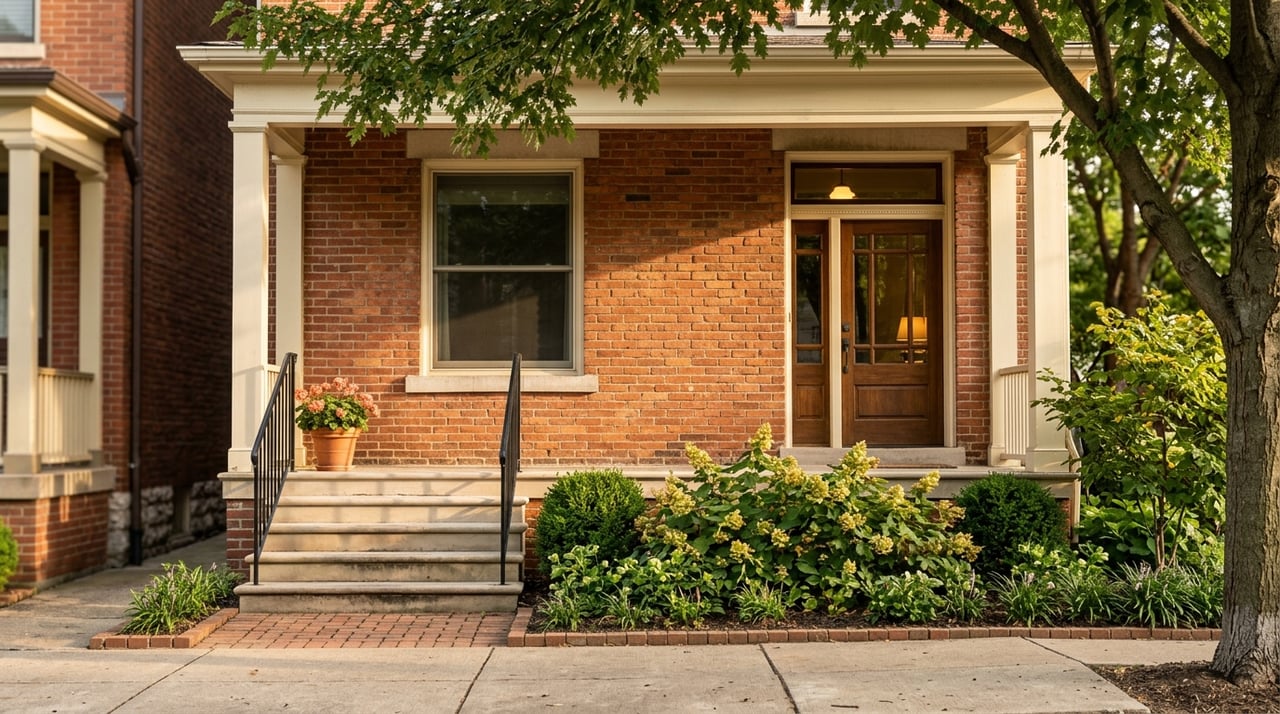
Audubon Park was planned with tree-lined streets, green spaces, and deep lots. The original development pattern usually involved two lots per home, with lots often measuring 25 feet wide by 200 feet deep. Homes also had to be set back 30 to 50 feet from the street, and no alleys were included.
That early planning still shapes how the neighborhood feels today. Compared with denser urban areas where buildings sit closer to the sidewalk, Audubon Park’s interior blocks feel more open. The larger setbacks and green space give many streets a softer, more residential look.
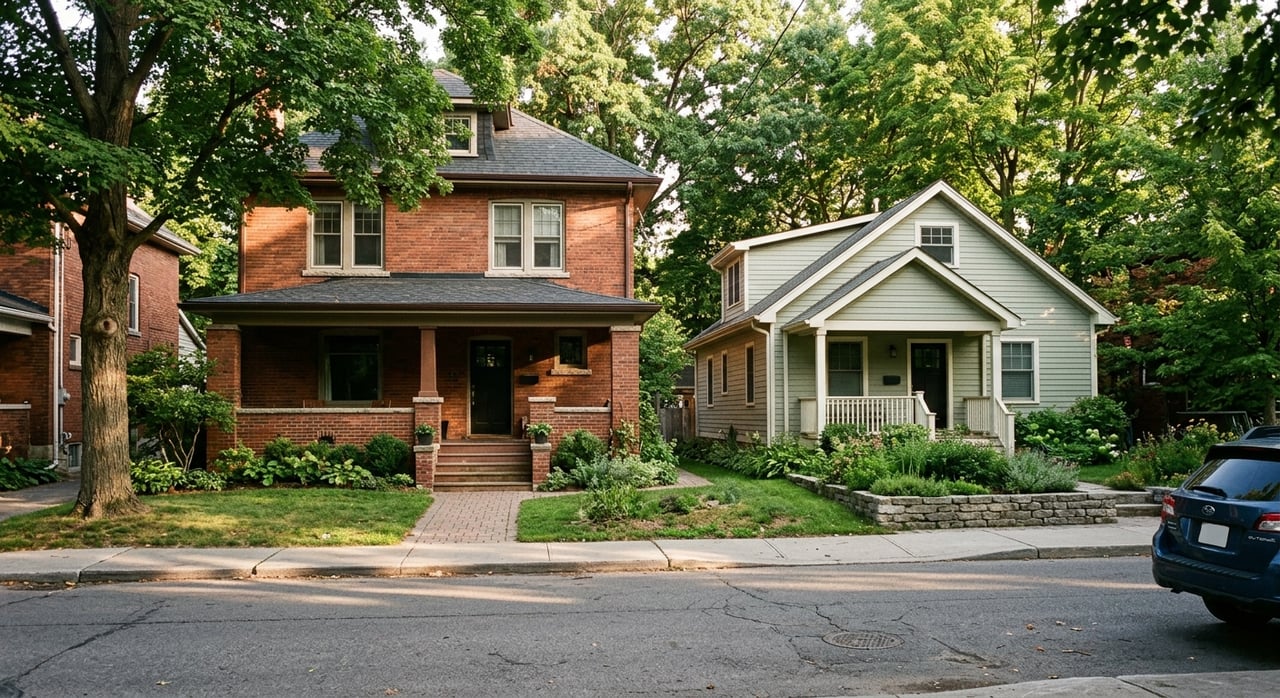
The historic district includes contributing buildings dating from roughly 1912 to 1947. Common architectural styles include bungalow, Craftsman, Tudor Revival, Colonial Revival, Cape Cod, Dutch Colonial, Neo-Federal, and Neo-Colonial. If you are drawn to homes with personality and details that are hard to replicate in newer subdivisions, this is one of Audubon Park’s strongest advantages.
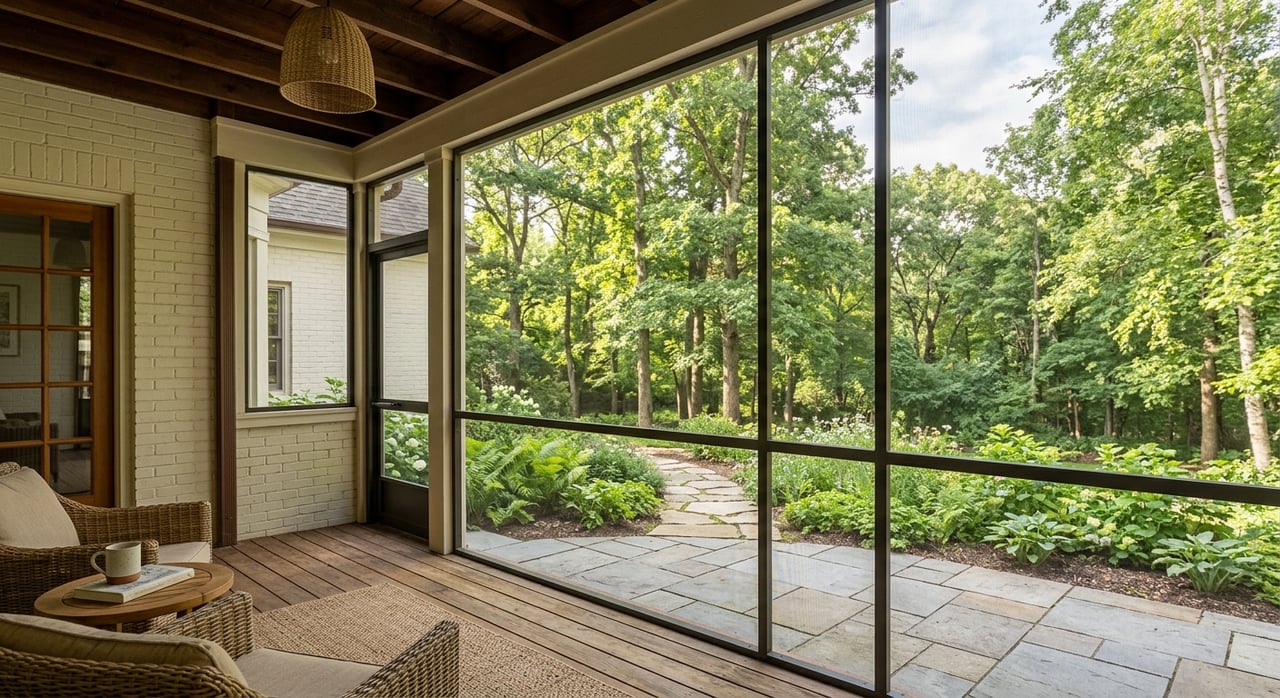
Audubon Park’s identity is closely tied to its natural setting. The city notes that it was named a bird sanctuary in 1978 and has been a Tree City USA community since 2005. That long-term emphasis on trees and preservation adds to the neighborhood’s quiet, established atmosphere.
You can also see this in the way the area was originally designed. Bird-named streets and park names reinforce a cohesive identity, and the green spaces are part of the neighborhood fabric rather than an afterthought. For buyers who want a setting that feels intentional and mature, that can be a meaningful difference.
This is not the kind of place where the appeal depends on the latest amenities package. Instead, the value often comes from the everyday experience of tree cover, architectural variety, and a streetscape that has stayed true to its original character.
Because Audubon Park was largely built out by the late 1940s, most homes reflect older construction and mature neighborhood patterns. Only a few undeveloped lots remain today. That means you are usually shopping for established homes rather than new builds.
For many buyers, that is a plus. Older homes often offer details, layout variety, and curb appeal that feel more distinctive than a typical postwar subdivision or recent development.
At the same time, older homes can come with more maintenance and updating needs. If you are considering Audubon Park, it helps to look beyond charm alone and think carefully about roof age, mechanical systems, windows, and renovation history. A well-guided buying process matters here.
If your goal is a neighborhood that feels calm and residential, Audubon Park stands out. Its compact size, park areas, and mostly residential land use support that enclave-like feel, especially on interior blocks.
Downsizers may appreciate the mature trees, established scale, and long-standing neighborhood identity. If you are moving from a larger suburban property and still want charm and a sense of place, Audubon Park can be appealing.
The tradeoff is that older homes may need more upkeep than newer, lower-maintenance communities. Your ideal fit will depend on whether you value character more than turnkey simplicity.
If you are ready for a home with more architectural personality, Audubon Park offers variety that many standard subdivisions do not. Deep setbacks, historic styles, and a preservation-minded streetscape create a more distinctive experience.
It can be especially attractive if you want that character without giving up access to Louisville conveniences. The location keeps you close to downtown and other central destinations while still offering a quieter residential setting.
No neighborhood is perfect for every buyer, and Audubon Park is no exception. While the interior of the neighborhood often feels sheltered and residential, perimeter streets may feel less quiet.
That is because Audubon Park sits off Preston Highway and is among the residential areas closest to the airport. Regional traffic and airport-related activity can affect the edges more than the interior blocks. If a quieter setting is your top priority, it is smart to compare specific streets and not just the neighborhood name.
This is one reason local guidance matters. In a neighborhood this compact, your experience can vary meaningfully from one block to the next.
Louisville Metro planning guidance describes denser urban neighborhoods as places with tight street networks, wide sidewalks, street trees, and buildings set close to the sidewalk. Audubon Park differs from that pattern. Its deep lots, large setbacks, and original green-space design make it feel more open.
Compared with more corridor-oriented Louisville neighborhoods that are closely tied to retail and constant activity, Audubon Park tends to feel more self-contained. That does not mean isolated. It simply means the neighborhood identity leans more residential than commercial.
If you want to be near Louisville amenities but not in the middle of a more retail-driven environment, that distinction can make a big difference in your day-to-day experience.
If you are touring homes in Audubon Park, pay attention to more than square footage and finishes. The setting is a major part of the value here, so it helps to evaluate each property in context.
Here are a few things to look for:
A thoughtful home search in Audubon Park is often about fit, not just features. The right house here is usually the one that matches both your lifestyle and your comfort level with older-home ownership.
Audubon Park is the kind of neighborhood where broad market advice only goes so far. Because it is small, historic, and largely built out, inventory can be limited and each home may offer a very different mix of charm, updates, and location advantages.
That is especially important if you are relocating, downsizing, or trying to compare Audubon Park with other Louisville neighborhoods. You need more than a list of homes. You need context about the block, the housing style, the likely maintenance picture, and whether the setting matches your goals.
That is where a calm, local, client-centered approach can make the process feel much more manageable. When you understand the tradeoffs clearly, you can move forward with more confidence.
If you are considering a move to Audubon Park or want help comparing it to other Louisville neighborhoods, Jessica Gooch can help you find the right fit with clear guidance and local insight.
Stay up to date on the latest real estate trends.
Work with a dedicated real estate professional who understands your local market inside and out. With personalized guidance, expert negotiation skills, and in-depth area knowledge, you’ll have the confidence to make the right move. Whether buying or selling, you’ll get support tailored to your goals every step of the way.

Jessica Gooch
8002 New La Grange Rd Louisville KY 40222