Is Louisville’s Germantown A Smart Spot To Invest?
July 2, 2026
July 2, 2026
Wondering whether Germantown is just a popular Louisville neighborhood or a place where an investment could actually make sense? If you are weighing a first rental, a house hack, or a small value-add project, Germantown deserves a close look. The numbers suggest real demand, but they also point to a market where location, character, and parcel details matter more than bargain pricing. Let’s dive in.
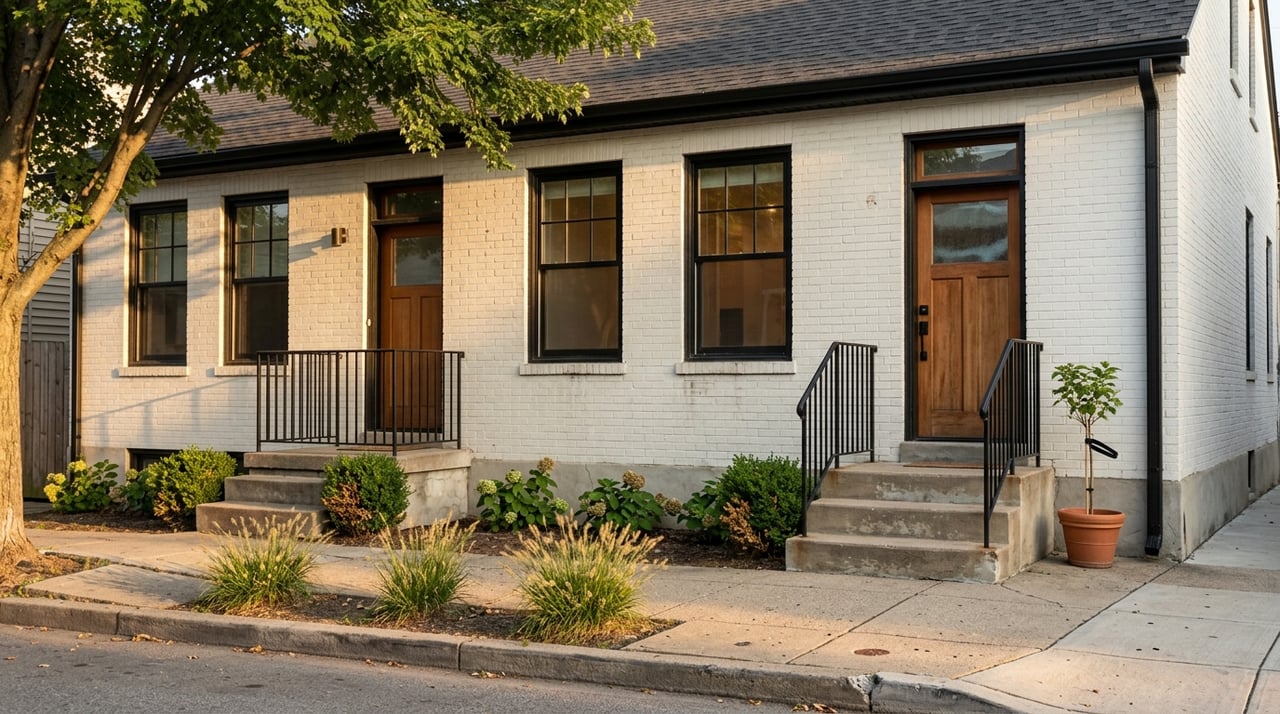
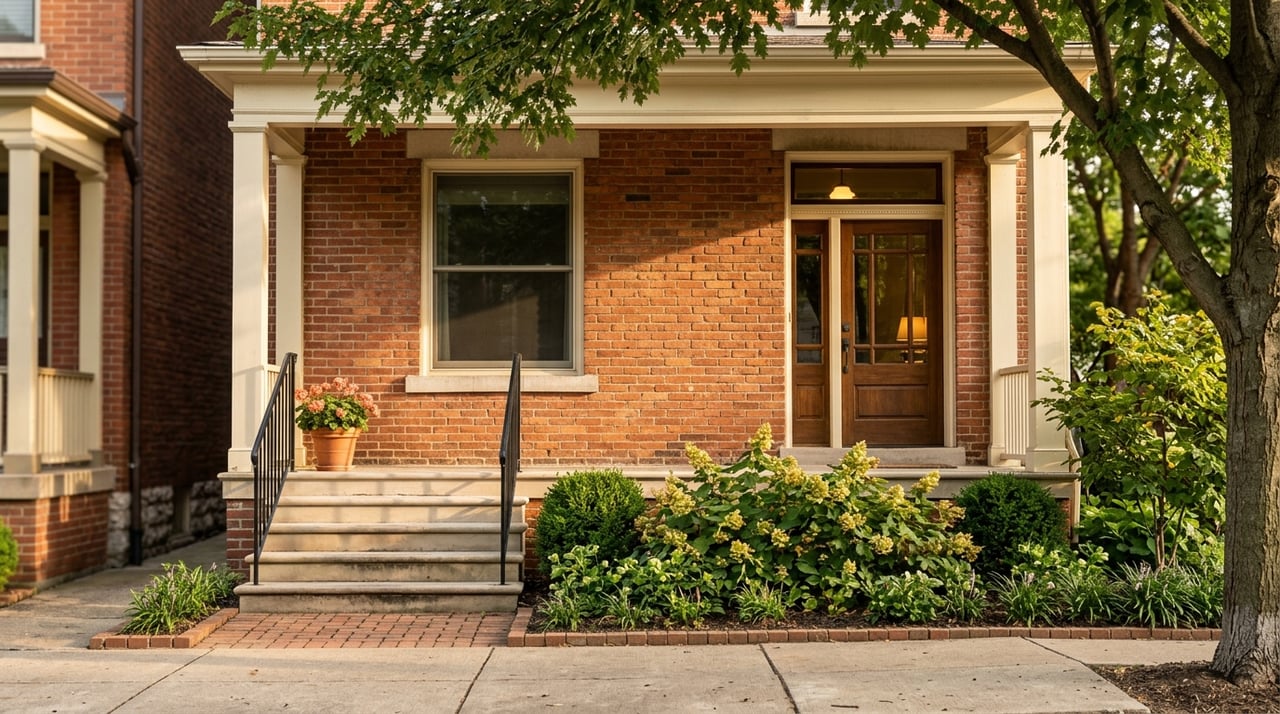
Germantown is a close-in Louisville neighborhood known for historic housing stock and strong local identity. Louisville tourism notes that the area was shaped by German immigrants in the mid-1800s, and it still has one of the city’s largest collections of shotgun houses. That history helps explain why buyers here often pay for charm and location as much as square footage.
Current market data shows a median listing price of $269,999 in Germantown. That is almost the same as Louisville overall, but the price per square foot is much higher at $219 compared with the city’s $168. In simple terms, that usually means smaller homes in a location people are willing to pay a premium to enjoy.
For many buyers, Germantown stands out because it offers a central location and housing with character. Redfin classifies the neighborhood as fairly walkable, with a Walk Score of 73. If you want a neighborhood where older homes can still attract steady interest, that is a meaningful plus.
The market also looks active. Realtor.com shows 25 homes for sale, 5 homes for rent, and a median of 21 days on market as of May 2026. Redfin’s recent snapshot shows a median sale price of $266,410, a 96.4% sale-to-list ratio, and a Compete Score of 62, which it labels somewhat competitive.
That combination suggests buyers are paying attention. For an investor, that can support resale potential and long-term equity growth, especially if you buy carefully and improve the property thoughtfully.
Germantown’s housing stock tends to be older and smaller. You will see shotgun houses, compact historic homes, plus some condos and multifamily properties. That matters because it shapes which investment strategies are more realistic.
In this kind of neighborhood, interior updates, better layouts, and selective rehab often make more sense than major teardown-and-rebuild plans. If you are looking for oversized lots or easy expansion, Germantown may feel limiting. If you like the idea of improving a compact home in a strong location, it may be a better fit.
Louisville development material also points to Germantown Mill Lofts as a reuse project in the Germantown and Schnitzelburg corridor. That adds to the picture of a neighborhood where adaptive reuse and thoughtful improvement align with the area’s character.
This is where it helps to be realistic. Germantown does not appear to be the strongest fit for a yield-first investor who wants easy, deep cash flow right out of the gate. The pricing suggests you are often paying for proximity and neighborhood appeal, not just rental math.
Realtor.com’s Germantown market page does not list a median rent. A nearby Schnitzelburg table lists Germantown at $1,695 per month, but that figure should be treated as directional, not as final underwriting data. It is helpful for context, but it should not replace property-specific rent analysis.
The broader pattern still matters. Germantown has limited rental inventory compared with some nearby areas, and its price per square foot runs well above the city average. That often points to stronger resale appeal and possible long-term appreciation potential, but not necessarily a market where first-year numbers are easy to force.
Looking at nearby neighborhoods can help you see Germantown more clearly.
| Neighborhood | Median Listing Price | Homes for Sale | Homes for Rent | Median Days on Market |
|---|---|---|---|---|
| Germantown | $269,999 | 25 | 5 | 21 |
| Shelby Park | $250,000 | 35 | 8 | 24 |
| Schnitzelburg | $299,950 | 22 | 3 | 29 |
| Highlands | $425,000 | 12 | 5 | 43 |
| Clifton | $309,950 | 29 | 17 | 33 |
| Old Louisville | $312,500 | 50 | 81 | 24 |
Germantown sits in an interesting middle ground. It is priced above Shelby Park but well below the Highlands, and it does not offer the same rental depth as Old Louisville. If you want a close-in neighborhood with historic appeal and active buyer demand, Germantown looks balanced.
Louisville’s Three Points area also highlights how Germantown, Schnitzelburg, and Shelby Park connect geographically. That close relationship can matter when you compare value, walkability, and future resale appeal across this part of the city.
For most buyers, the strongest opportunities in Germantown are likely to be practical and small-scale.
If you plan to live in one part of the property and offset costs with another unit, Germantown can be worth exploring. But this strategy depends heavily on the exact parcel, not just the neighborhood label. Louisville Metro zoning basics show duplexes are allowed in some multifamily districts, including R-5B, R-6, R-7, and R-8A.
That means you need to verify the property’s zoning before making assumptions. A house-hack opportunity may exist, but it is not something to assume across all of Germantown.
Compact historic homes can respond well to smart updates. Kitchens, baths, flooring, lighting, and improved flow may help a property compete better in a neighborhood where buyers already value location and charm. In many cases, the goal is to make an older home more functional without stripping away what makes it appealing.
If your goal is to build equity over time, Germantown may be more compelling than if you are chasing fast cash flow. An active sales market, limited rental inventory, and strong location value can support a hold strategy when the purchase price and rehab budget stay disciplined.
In Germantown, the fine print matters. Because the neighborhood includes older homes and some historically sensitive properties, a smart investment decision starts with parcel-level research.
If you are considering a duplex, conversion, or other income-producing setup, confirm the exact zoning through LOJIC and Louisville Metro resources. The allowed use may vary from one parcel to the next. This is one of the most important first steps if your plan depends on multiple units.
Louisville’s preservation program says properties in local preservation districts or individual landmarks are reviewed under design guidelines and may require a Certificate of Appropriateness. If you are planning exterior changes, that review process can affect your budget, timeline, and scope.
A small historic home may be perfect for a light rehab and future resale. That same home may not work well for a more aggressive income strategy. In Germantown, success often comes from matching the property’s size, zoning, and condition to a realistic plan from the start.
For the right buyer, yes. Germantown looks most compelling for owner-occupant investors, buyers who value location and walkability, and people open to smaller-scale value-add opportunities. It appears less ideal for investors who want the deepest inventory or the easiest cash-flow play.
The numbers tell a fairly consistent story. Germantown is priced near the Louisville median, moves at an active pace, and commands a higher price per square foot than the city overall. That usually points to a neighborhood where character, convenience, and resale appeal carry real weight.
If you are thinking about investing in Germantown, the smartest next step is to evaluate the actual property, zoning, and renovation scope before you commit. If you want help comparing Germantown with nearby Louisville options or analyzing a specific opportunity, Jessica Gooch can help you think it through with clear, local guidance.
Stay up to date on the latest real estate trends.
Work with a dedicated real estate professional who understands your local market inside and out. With personalized guidance, expert negotiation skills, and in-depth area knowledge, you’ll have the confidence to make the right move. Whether buying or selling, you’ll get support tailored to your goals every step of the way.

Jessica Gooch
8002 New La Grange Rd Louisville KY 40222