Highlands Louisville Neighborhood Guide: What Buyers Should Know
July 9, 2026
July 9, 2026
Looking for a Louisville neighborhood with real personality? The Highlands stands out because it offers something many buyers and locals want at the same time: historic homes, walkable daily life, lively local businesses, and easy access to parks. If you are wondering why this area keeps coming up in conversations about where to live in Louisville, this guide will help you understand the appeal and the practical side of calling it home. Let’s dive in.
The Highlands is not just one neat subdivision with a single look or price point. In Louisville, the term usually refers to a connected group of neighborhoods within Metro Council District 8, including areas like Original Highlands, Cherokee Triangle, Deer Park, Bonnycastle, Belknap, Tyler Park, and Highlands-Douglass.
That broader definition helps explain why the Highlands feels more like a lifestyle area than a single neighborhood. Bardstown Road is often seen as the backbone of the area, tying together restaurants, shops, homes, and gathering places that give the Highlands its identity.
If you ask locals what makes the Highlands feel like the Highlands, Bardstown Road is usually part of the answer. The corridor has long blended commercial and residential uses, and Louisville Metro created the Bardstown Road/Baxter Avenue Corridor Review Overlay District to support the appearance and economic vitality of the area.
In simple terms, that means the corridor has a strong visual identity and a long-established character. Many of the buildings still reflect earlier periods of development, which adds to the sense that this part of Louisville has grown over time rather than appearing all at once.
One of the biggest reasons people love the Highlands is how much you can do close to home. Louisville Tourism describes it as the city’s original Restaurant Row, known for local nightlife, shopping, and many independent coffee and tea shops.
That local business mix gives the area a lived-in, everyday convenience that many buyers want. Whether you are meeting friends for dinner, grabbing coffee, or running a quick errand, the neighborhood often makes it possible without a long drive.
Walkability is a big part of that appeal. Walk Score rates the Highlands 81 out of 100 and lists it as Louisville’s third most walkable neighborhood, with about 58 restaurants, bars, and coffee shops in the area.
For many people, that means daily life can feel more connected and less car-dependent, especially near the Bardstown Road and Baxter Avenue corridor. If you value being able to step outside and have options nearby, the Highlands tends to check that box.
The Highlands is not only about shops and restaurants. Green space is part of the draw too, and that matters if you want an urban neighborhood that still gives you room to breathe.
Cherokee Park is a major asset nearby. Louisville Metro says the park spans 389.13 acres, includes a 2.3-mile Scenic Loop, and features a landscape designed by Frederick Law Olmsted.
Tyler Park adds another layer to the neighborhood experience. It is a 13-acre Olmsted park that gives residents another close-in option for outdoor time, exercise, and recreation.
Together, these parks help balance the busier energy of the commercial corridor. You can enjoy a walkable, active part of the city while still having meaningful access to trails, mature trees, and open space.
Another reason locals connect with the Highlands is the way the area gathers around traditions. Community events help the neighborhood feel active and rooted, not just popular.
Bardstown Road Aglow began in 1985 and remains a major corridor tradition that supports Highlands merchants. The Taste of the Highlands Mardi Gras also highlights food from restaurants along Bardstown Road.
Events like these reinforce what people already like about the area. The Highlands is not just a place where people live. It is also a place where local businesses and neighborhood traditions shape the experience year after year.
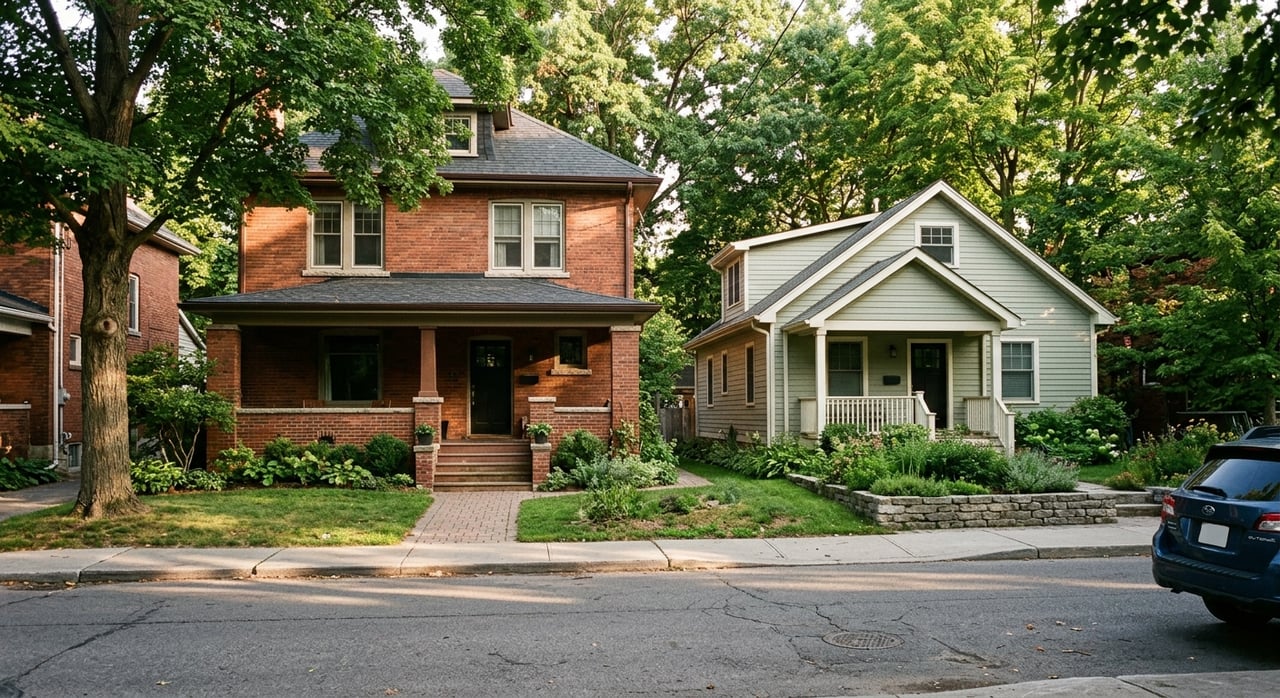
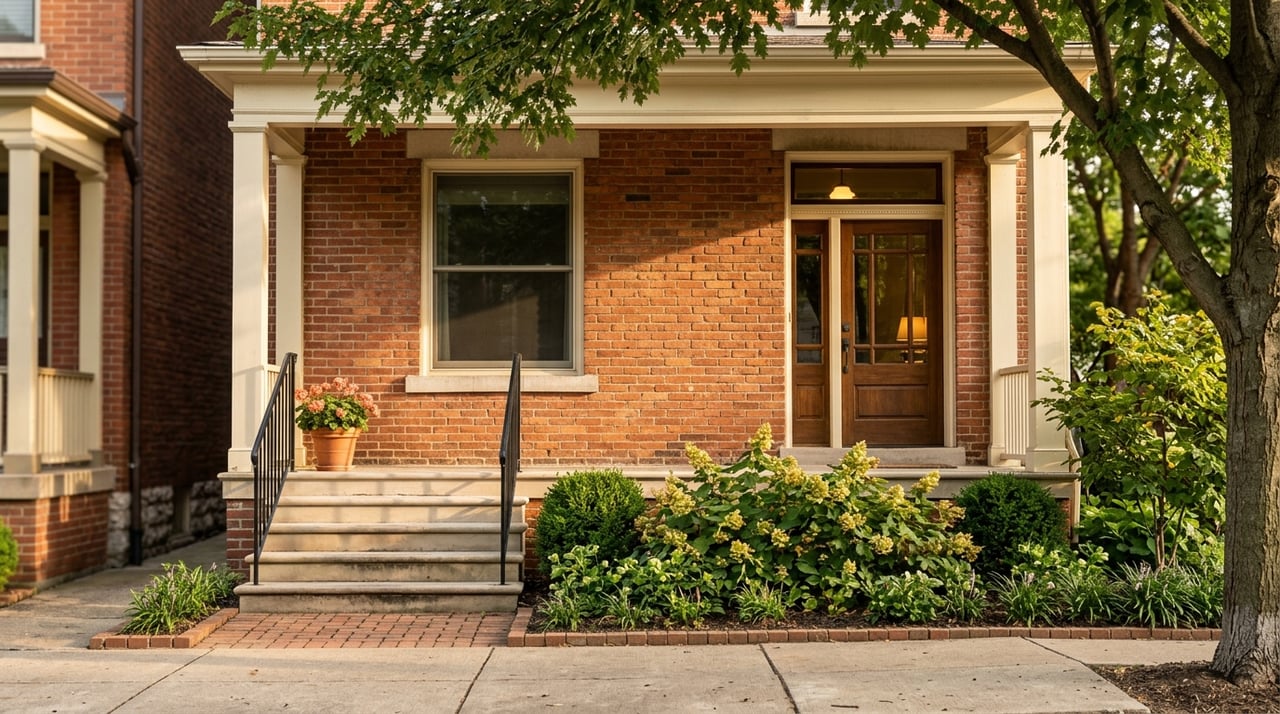
For many buyers, the housing stock is a major part of the appeal. The Highlands is one of Louisville’s most recognizable areas for older homes and architectural variety.
Cherokee Triangle is described by Louisville Metro as predominantly single-family homes, but it also includes apartments in both large and small buildings, along with converted residences. In the Original Highlands, housing is often associated with Victorian, Queen Anne, and shotgun styles.
Many homes have been updated over time while keeping character details that buyers still love, such as porches, gabled roofs, and original fireplaces. If you are drawn to homes with history and a distinct sense of place, that can be a big reason the Highlands rises to the top of your list.
One important thing to know is that the Highlands is not a one-price-fits-all market. Values can shift quite a bit depending on the exact area, the housing type, and the home’s condition.
Recent market snapshots show that the median Highlands sale price was about $401,865 over the three months ending May 2026, with homes selling after 25 days on market. At the same time, Cherokee Triangle had a 12-month median sale price of $569,800, while Original Highlands showed an average value of $360,125.
That spread is a good reminder to look at the Highlands in layers. A condo, a historic single-family home, and a smaller updated property may all offer very different price points and ownership experiences within the same broader area.
The Highlands often fits buyers who care more about location, walkability, architecture, and neighborhood feel than about having a large lot or a newer subdivision layout. If that sounds like you, the area can offer a lot of value beyond square footage alone.
At the same time, older neighborhoods come with tradeoffs. Parking can be more limited in some sections, especially near busy business areas, and renovation planning may take more time than it would in a newer community.
The Original Highlands neighborhood plan notes parking shortages connected in part to the success of businesses along Baxter Avenue. That does not mean the area is harder to enjoy, but it does mean you should go in with a clear understanding of how convenience and activity can shape daily life.
In parts of the Highlands, homeownership can involve more review for exterior work than you might expect elsewhere. That is especially true in preservation areas and along the main corridor.
In Cherokee Triangle, exterior alterations and projects require a Certificate of Appropriateness. The Bardstown Road/Baxter Avenue corridor also has overlay review for exterior changes and new development.
For some owners, that extra oversight is part of what protects the area’s long-term character. It is worth understanding early if you are considering updates to a historic property or buying a home with renovation plans in mind.
If you are looking at a qualifying historic property, there may be financial incentives tied to rehabilitation work. According to the Kentucky Heritage Council, properties listed in the National Register may qualify for state and or federal rehabilitation tax credits.
The state credits are listed at 20% or 30% of qualifying rehabilitation expenses, and federal credits are listed at 20% for eligible income-producing properties. For buyers or investors considering certain historic properties, that is an important detail to explore during the planning stage.
For sellers, the Highlands has a built-in advantage: people already know what it represents. The area’s reputation for local dining, parks, walkability, and character homes gives listings a strong lifestyle story.
That story can appeal to a wide range of buyers, from first-time purchasers to move-up households and people relocating within the Louisville area. The neighborhood also offers a broad range of housing options, which helps attract different kinds of buyers depending on price point and property style.
If you want a neighborhood that feels established, active, and distinctly Louisville, the Highlands is easy to understand once you spend time there. It combines older-home character, mature trees, local businesses, and nearby parks in a way that feels both urban and personal.
It may be a strong fit if you value being close to restaurants, coffee shops, and green space, and if you appreciate homes with architecture and history. If you prefer easier parking, simpler exterior renovation rules, or a more uniform subdivision layout, you may want to compare it with other Louisville neighborhoods before making a move.
Whether you are buying your first place, selling a long-time home, or relocating within Louisville, neighborhood fit matters as much as price. If you want help comparing the Highlands to your goals, Jessica Gooch can help you move forward with clear, local guidance.
Stay up to date on the latest real estate trends.
Work with a dedicated real estate professional who understands your local market inside and out. With personalized guidance, expert negotiation skills, and in-depth area knowledge, you’ll have the confidence to make the right move. Whether buying or selling, you’ll get support tailored to your goals every step of the way.

Jessica Gooch
8002 New La Grange Rd Louisville KY 40222